


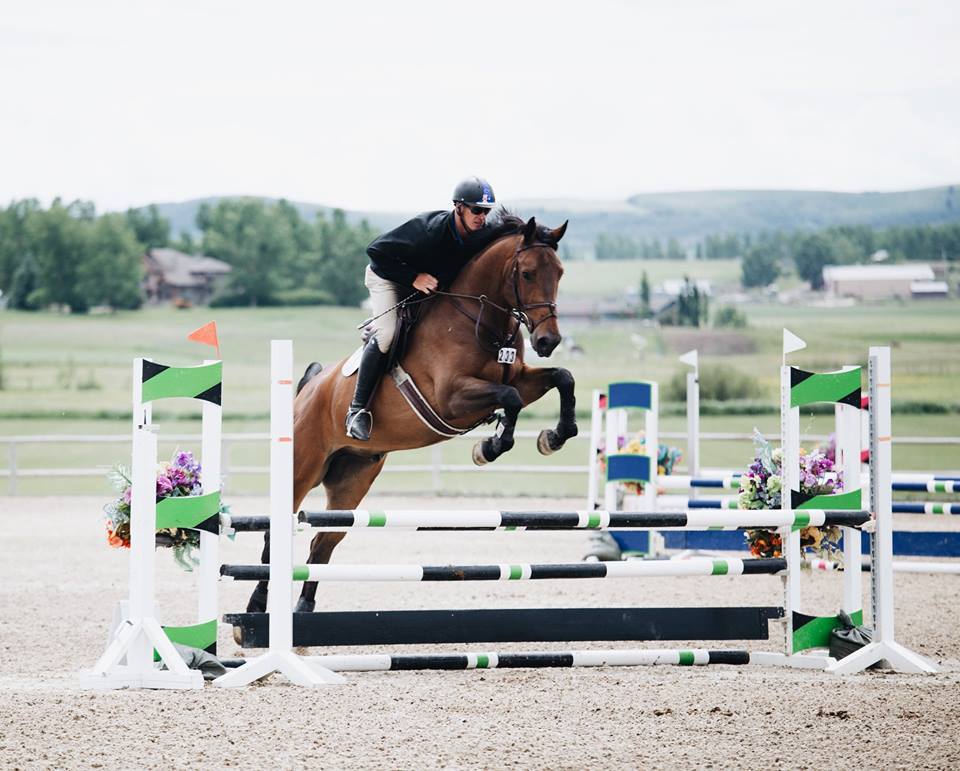
A good horse owner is defined by dedication, deep responsibility, and empathy. They place the physical and emotional welfare of the animal above personal convenience, committing to daily care, financial costs, and continuous learning in horsemanship.
Core Personal Qualities
- Responsible: Providing daily needs like safe shelter, fresh water, proper nutrition, and routine veterinary and farrier care.
- Patient: Allowing the animal time to learn and process training without rushing or forcing progress.
- Compassionate: Prioritizing the horse’s comfort, mental well-being, and limits over ego or competitive desires.
- Dedicated: Showing up through all weather conditions and putting in the hard work required every single day.
- Confident: Remaining calm and providing clear, steady leadership that helps a large animal feel safe.
Essential Skills and Knowledge
- Medical awareness: Understanding basic medical care is essential, including recognizing early signs of distress, injury, or illnesses like colic.
- Observational ability: Tuning in to subtle changes in a horse’s behavior, movement, or mood to catch problems early.
- Financial preparedness: Maintaining a realistic budget for feed, stable upkeep, emergency medical bills, and routine maintenance.
Owners skill level with regards to riding, training, racing or breeding horses various depending on the owner. The one thing they all have in common is they love horses.
An owner’s contribution to the health of their horse is inmeasureable. Their input decides which TEAM members are on the TEAM. The members include but are not limited to the Vet, the Trainer, the rider, the Ferrier, the Stable Owner and Manager, the Event Coordinator and the Nutritionist.
The owner controls the purchase, training and management of the horse.
Beginner
- Skills: Learning basic safety around horses, grooming and tacking with help, and riding at a walk and a gentle trot.
- Control: Needs a quiet, steady horse and supervision in a closed area like an arena.
Novice
- Skills: Mounting safely, steering at a walk and trot, and learning to post (rise and sit) to the trot on the correct diagonal.
- Control: Can manage a well-behaved horse at slower speeds with basic independence.
Intermediate
- Skills: Mounting and dismounting alone, maintaining balance at a sitting and posting trot, and starting to canter over short distances.
- Control: Comfortable walking, trotting, and cantering with good posture and control.
Strong Intermediate
- Skills: Riding safely outside an enclosed arena, handling varied outdoor terrain, riding without stirrups for short times, and jumping small obstacles.
- Control: Possesses a secure, independent seat and handles all basic gaits with ease.
Advanced
- Skills: Performing complex movements (like lateral work or collection), jumping large fences, and fine-tuning subtle physical cues (aids).
- Control: Highly balanced, deeply experienced, and able to ride and train different types of horses smoothly.
Owners skill level with regards to riding, training, racing or breeding horses various depending on the owner. The one thing they all have in common is they love horses.
An owner’s contribution to the health of their horse is inmeasureable. Their input decides which TEAM members are on the TEAM. The members include but are not limited to the Vet, the Trainer, the rider, the Ferrier, the Stable Owner and Manager, the Event Coordinator and the Nutritionist.
The owner controls the purchase, training and management of the horse.
Beginner
- Skills: Learning basic safety around horses, grooming and tacking with help, and riding at a walk and a gentle trot.
- Control: Needs a quiet, steady horse and supervision in a closed area like an arena.
Novice
- Skills: Mounting safely, steering at a walk and trot, and learning to post (rise and sit) to the trot on the correct diagonal.
- Control: Can manage a well-behaved horse at slower speeds with basic independence.
Intermediate
- Skills: Mounting and dismounting alone, maintaining balance at a sitting and posting trot, and starting to canter over short distances.
- Control: Comfortable walking, trotting, and cantering with good posture and control.
Strong Intermediate
- Skills: Riding safely outside an enclosed arena, handling varied outdoor terrain, riding without stirrups for short times, and jumping small obstacles.
- Control: Possesses a secure, independent seat and handles all basic gaits with ease.
Advanced
- Skills: Performing complex movements (like lateral work or collection), jumping large fences, and fine-tuning subtle physical cues (aids).
- Control: Highly balanced, deeply experienced, and able to ride and train different types of horses smoothly.