


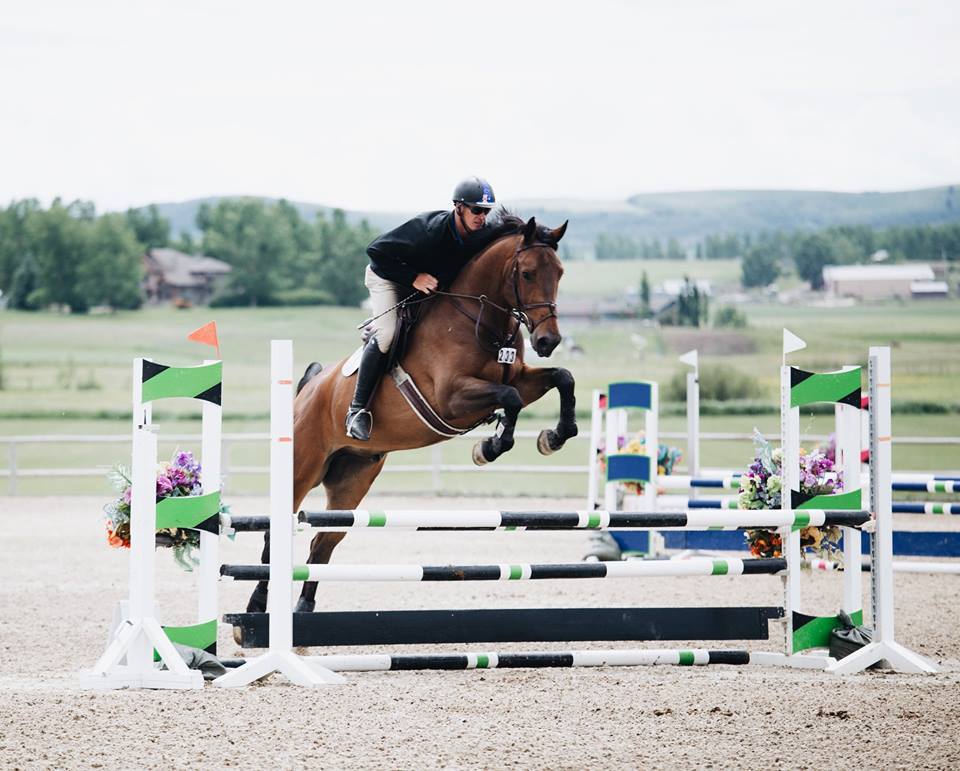
Equestrian riding skill levels generally range from beginner to advanced. They are measured by how well a rider controls the horse, handles different speeds (gaits), and manages tasks like grooming, tacking, and jumping.
Beginner
- Skills: Learning basic safety around horses, grooming and tacking with help, and riding at a walk and a gentle trot.
- Control: Needs a quiet, steady horse and supervision in a closed area like an arena.
Novice
- Skills: Mounting safely, steering at a walk and trot, and learning to post (rise and sit) to the trot on the correct diagonal.
- Control: Can manage a well-behaved horse at slower speeds with basic independence.
Intermediate
- Skills: Mounting and dismounting alone, maintaining balance at a sitting and posting trot, and starting to canter over short distances.
- Control: Comfortable walking, trotting, and cantering with good posture and control.
Strong Intermediate
- Skills: Riding safely outside an enclosed arena, handling varied outdoor terrain, riding without stirrups for short times, and jumping small obstacles.
- Control: Possesses a secure, independent seat and handles all basic gaits with ease.
Advanced
- Skills: Performing complex movements (like lateral work or collection), jumping large fences, and fine-tuning subtle physical cues (aids).
- Control: Highly balanced, deeply experienced, and able to ride and train different types of horses smoothly.